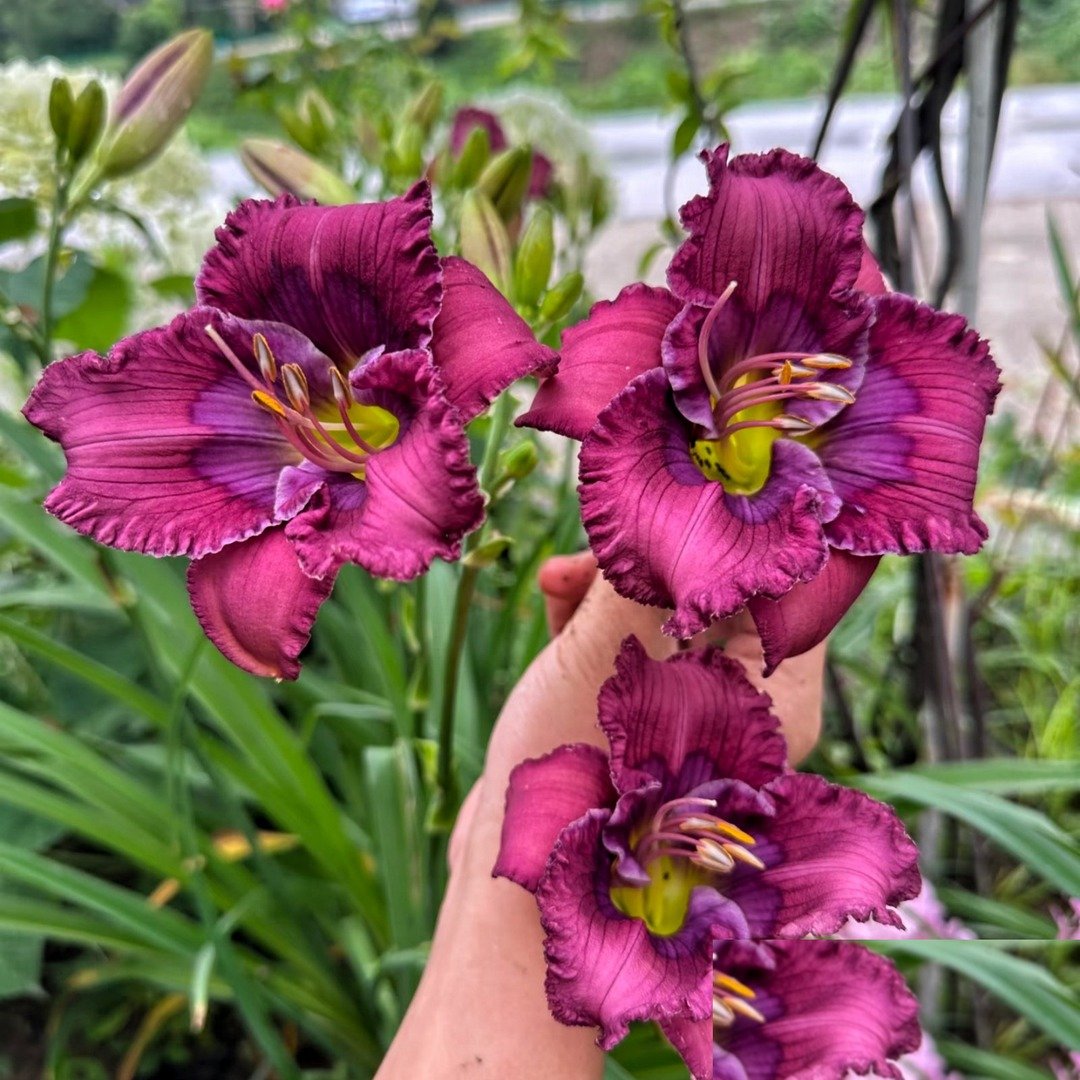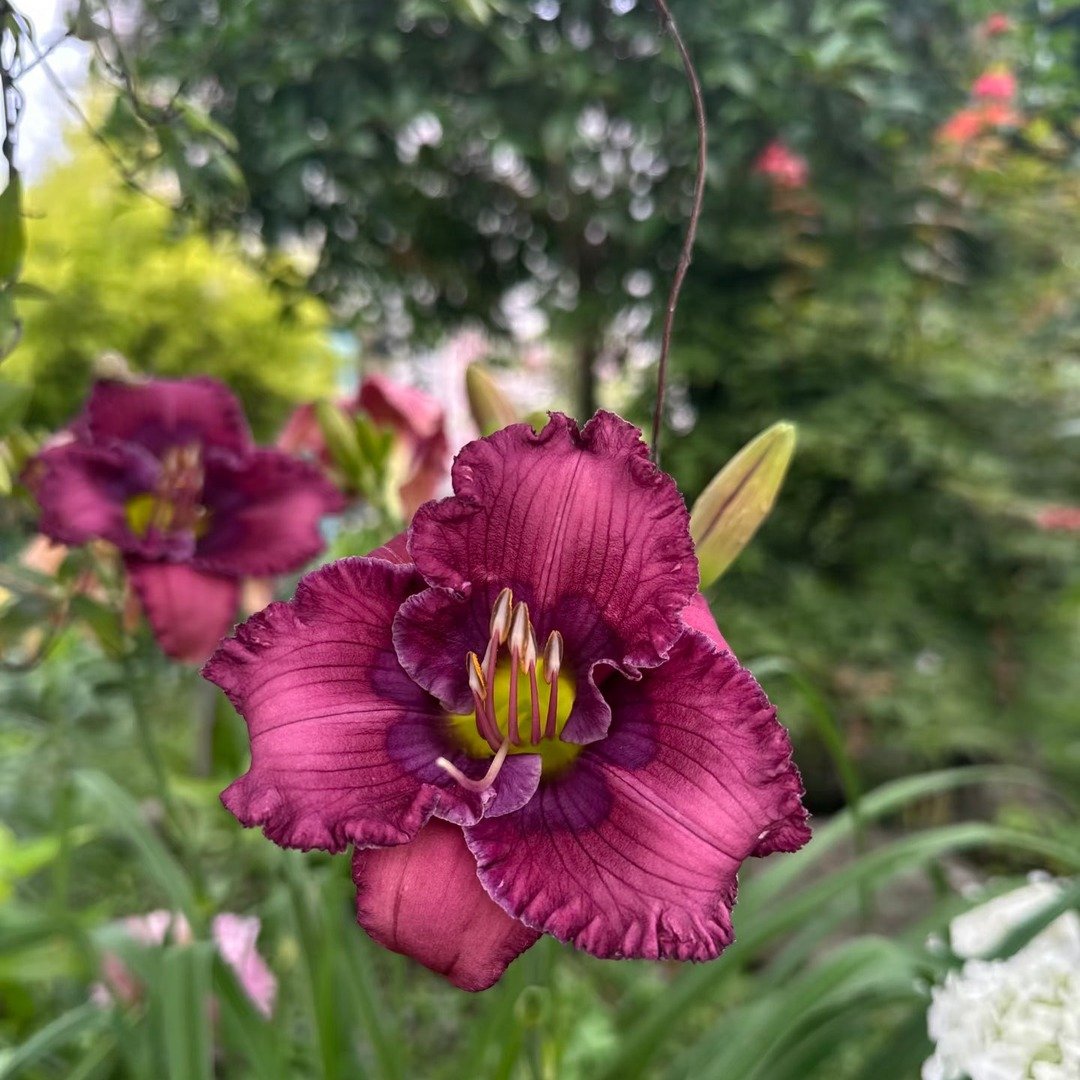

Plum Purple Daylily Bare Roots — Velvety Hemerocallis Blooms on a Compact, Weed-Suppressing Hardy Clump

Price range: $12.14 through $36.43

If you buy now
Earliest arrival December 11
Latest arrival December 21
Estimated delivery time 12 - 22 days

Mid-to-late season daylily bare roots that build into a dense mound of arching foliage with branching flower scapes. Plant 45-60 cm apart in full sun, mulch over winter, and divide only when the centre stops blooming.

Subscription successful

You’re now subscribed to price tracking for this product. We’ll notify you if the price drops.

Price tracker

Track this item and get notified if the price drops.

Add to price tracker

60-Day Guarantee - Rest Easy, your plant is protected!

Quick, reliable shipping to any location.

Ready to Grow - This is a healthy starter plant, full of life!

Return this item by mail or in store within 90 days for a full refund.

Quality Plants Grown by Experts. Packaged with Care.

Return this item by mail or in store within 90 days for a full refund.

Description

1. What arrives in the box

Daylilies are shipped as bare-root fans, not as seed or as a dry bulb: each unit is a short wedge of leaf bases attached to a cluster of fleshy, tuber-like storage roots. During the dormant season the foliage is cut back to about 10-15 cm, so a bare-looking fan with pale roots is exactly what a healthy plant looks like on arrival. Unpack straight away, discard any packing that is soaked, and keep the roots cool and slightly moist but never wet until planting day. If the planting site is not ready, heel the fans into a pot of damp compost for a week or two rather than leaving them sealed in a bag.

2. Planting and the first watering

Plant in spring or early autumn, in a spot that gets at least six hours of sun; in hot climates a little afternoon shade keeps the flowers from bleaching. Work compost into ordinary well-drained garden soil – daylilies tolerate a wide pH range but hate standing water, which rots the fleshy roots. Dig a hole roughly 30 cm across, spread the roots out over a low mound of soil, and set the crown, the point where leaves meet roots, no more than 2-3 cm below the surface. Burying the crown deeper is the single most common reason a new planting sulks and refuses to flower. Space plants 45-60 cm apart, firm the soil, and water deeply once to settle it in.

3. Flowering season and clump build

This type flowers from midsummer into the later part of the season, which makes it a useful bridge when earlier perennials have finished. A single fan produces one scape in its first year; by year three the clump has multiplied into several fans and can carry half a dozen scapes at once, each with a succession of one-day flowers over several weeks. Broad, arching foliage forms a dense mound about 45-60 cm high and suppresses most weeds around the crown. Divide only when flowering drops off in the centre of the clump – daylilies resent being moved and rarely need it more often than every three or four years.

4. After flowering and through dormancy

Remove each finished flower and, once a scape has no buds left, cut the stalk back to the base; leaving the stalk does not feed the plant, it only wastes energy. Keep the foliage intact after bloom – the leaves are rebuilding the storage roots for next year, so resist the urge to tidy them while they are still green. The foliage yellows and collapses after the first hard frost; that is normal dormancy, not a failure. Cut the dead leaves to ground level, mulch lightly over the crown in cold-winter areas, and expect fresh fans to reappear in early spring. Clumps flower well for years and are usually lifted and divided every three to four years, in early spring or just after bloom, when a mature clump has become crowded and the center stops flowering.

5. Cut flowers, companions and safety

A scape cut when the first bud is about to open will carry on opening in the vase for several days, which makes this one of the more useful short-lived flowers for arrangements – pick in the early morning and change the water daily. In the garden, set it against fine-textured foliage such as grasses or nepeta so the broad flowers read clearly. It also suits a large terrace pot, provided the crown is never left sitting in water over winter. Sold as an ornamental, not as food; do not eat any part of the plant, and keep it away from cats and dogs that chew.

Additional information
Number of Products10roots, 15roots, 4roots, 6roots, 8roots

Reviews

Customer Reviews

0.00 out of 5
Based on 0 reviews
0
0
0
0
0
There are no reviews yet.
Purchased customers only

Only customers who purchased this product can leave a review. Please log in with the purchase account, or ask a product question below.

Ask a question

Questions & Answers

No questions yet.

Hot Deals

Recently Viewed

Subtitle text example

Title text example

标题后的文本示例