
Calla Lily Bulbs — Free-Flowering Summer Clumps with Upright Stems for Cutting Rows, Terrace Pots and Mixed Borders

Price range: $12.66 through $30.38

If you buy now
Earliest arrival December 11
Latest arrival December 21
Estimated delivery time 12 - 22 days

Vigorous calla rhizomes that build into generous summer clumps and flower repeatedly on upright stalks. Excellent for cutting rows, terrace containers and mixed perennial borders.

Subscription successful

You’re now subscribed to price tracking for this product. We’ll notify you if the price drops.

Price tracker

Track this item and get notified if the price drops.

Add to price tracker

60-Day Guarantee - Rest Easy, your plant is protected!

Quick, reliable shipping to any location.

Ready to Grow - This is a healthy starter plant, full of life!

Return this item by mail or in store within 90 days for a full refund.

Quality Plants Grown by Experts. Packaged with Care.

Return this item by mail or in store within 90 days for a full refund.

Description

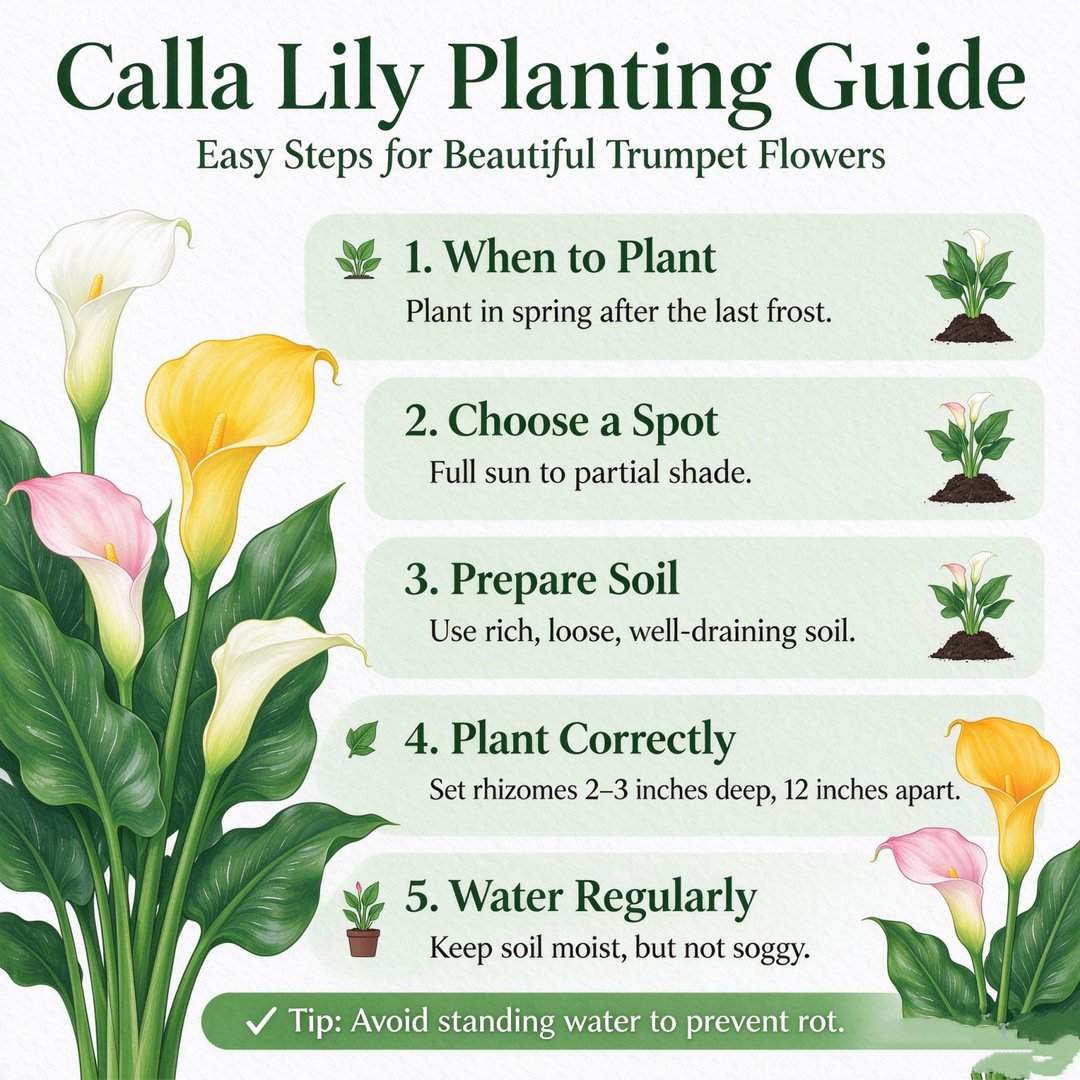
1. Establishing the rhizomes in spring

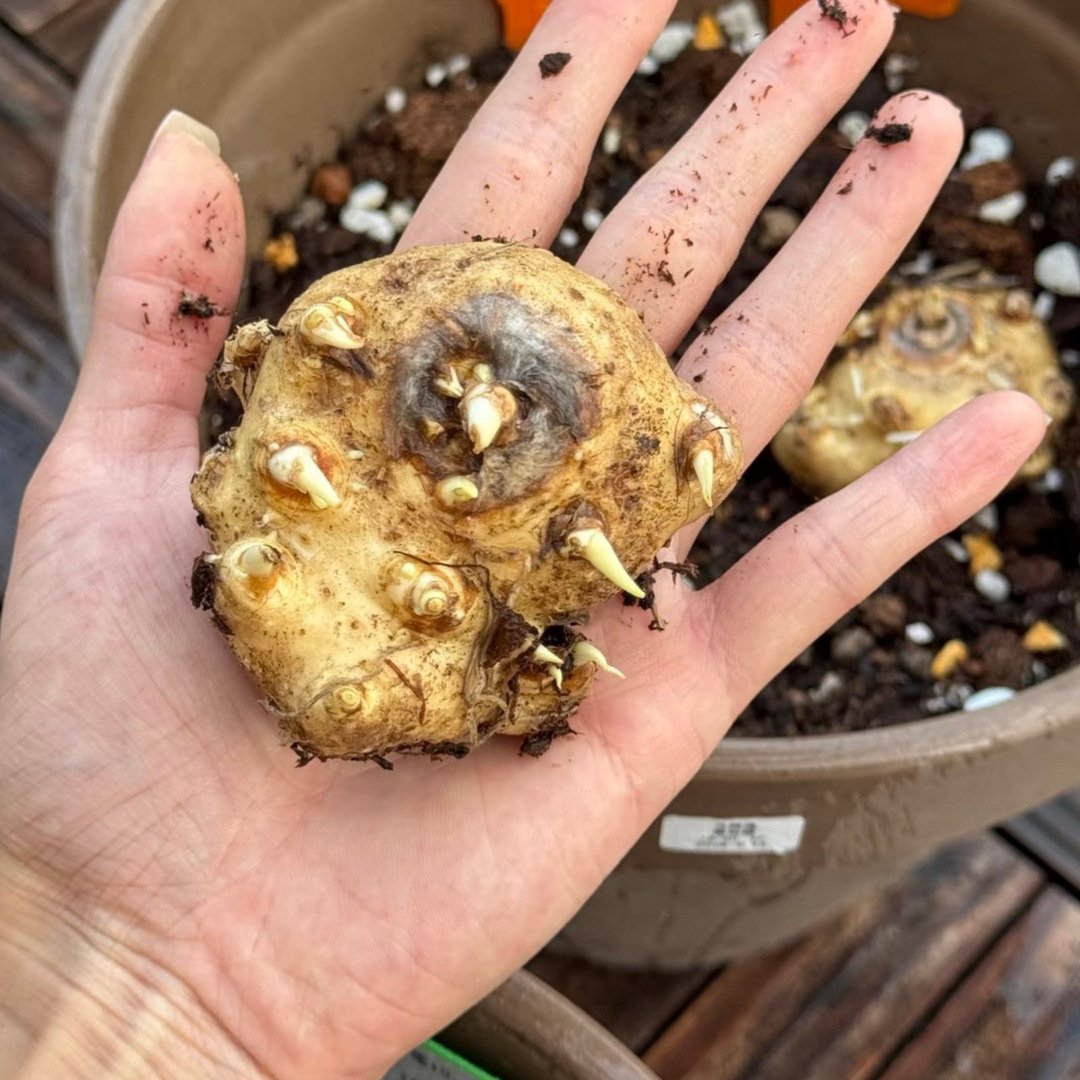
Each piece is a dormant, fleshy rhizome with one or more pale buds, and it should be planted only after the soil has warmed and frost is no longer a risk. Choose a loose, fertile, moisture-holding but free-draining site, work in some well-rotted compost, and set the rhizomes 5-8 cm deep with the buds uppermost at 25-30 cm spacing. Water once after planting and then sparingly until shoots appear, because a cold, saturated mix before rooting begins is the quickest route to rot. For an earlier crop, start them in pots under cover and transplant carefully once night temperatures are consistently mild.

2. Water, temperature and a light feeding routine

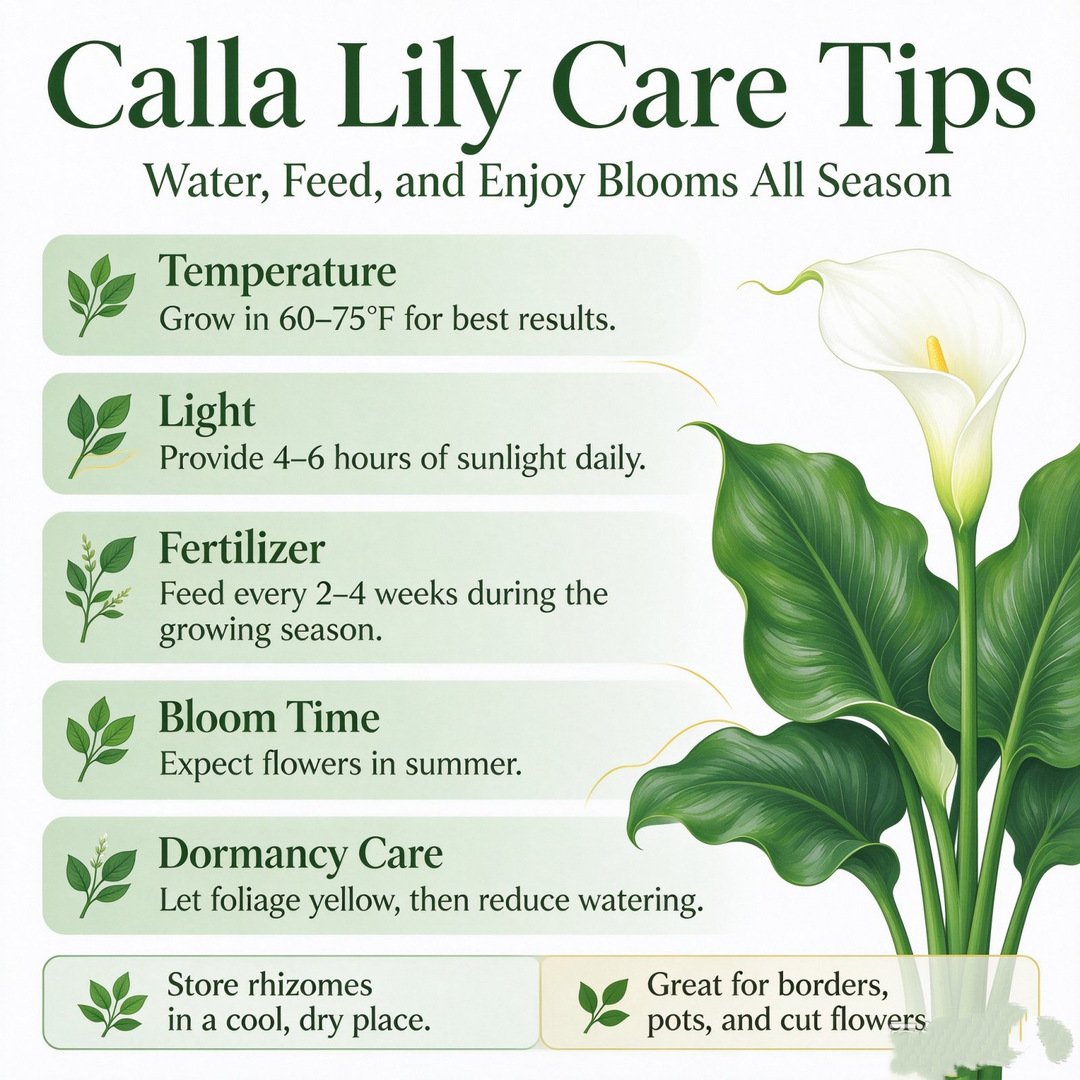
Callas perform best in warm conditions around 15-24°C with four to six hours of sunlight, tolerating light partial shade where summers are intense. Keep the soil consistently moist through active growth but let the surface dry slightly between soakings, and always empty any standing water from saucers. A balanced liquid feed at half strength every two to four weeks from shoot emergence until buds form is plenty; overfeeding produces lush foliage and weak, short-lived flowers. Adequate spacing and watering at the base rather than overhead help prevent leaf spot and the soft bacterial rot that can affect crowded clumps.

3. Flower structure and the post-bloom period

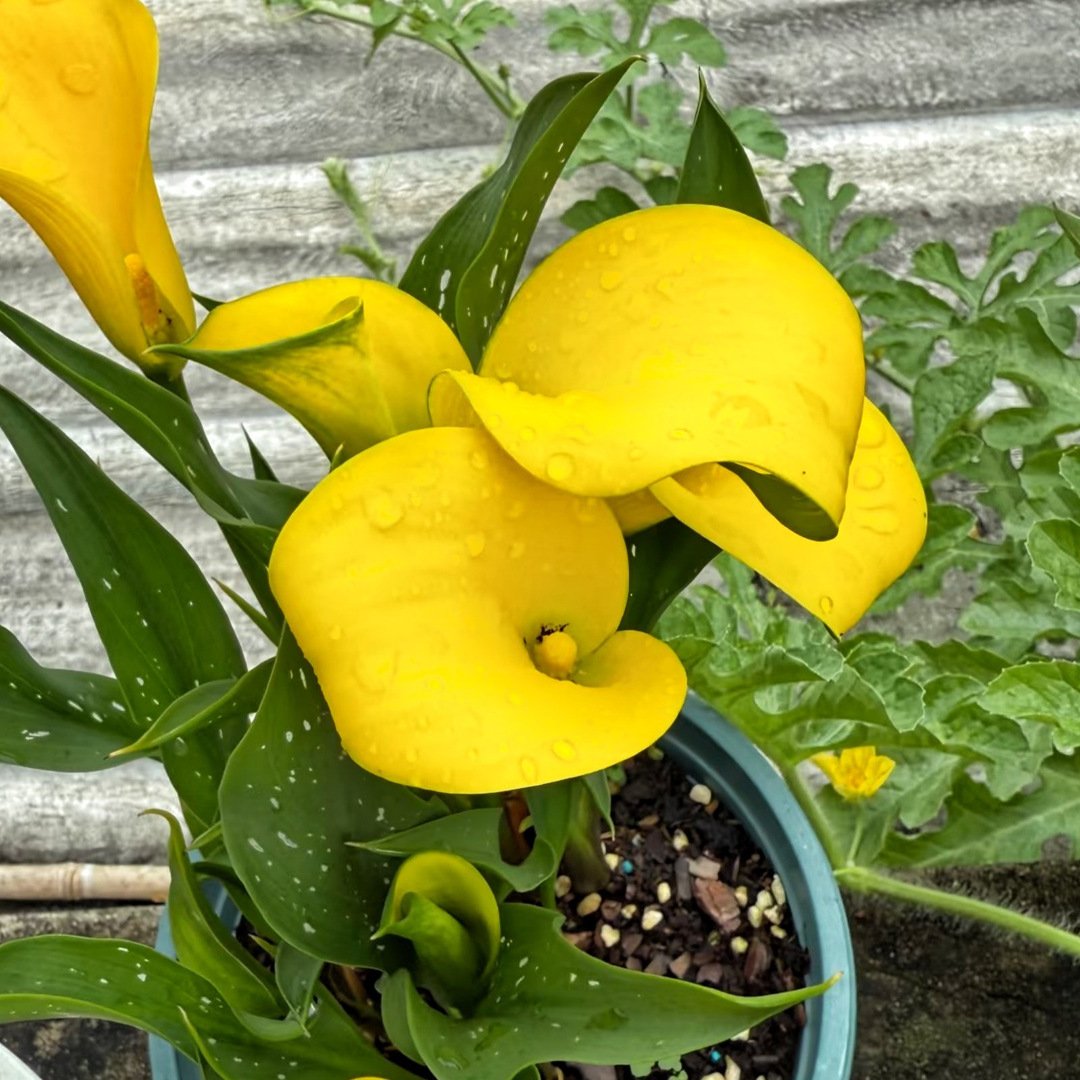
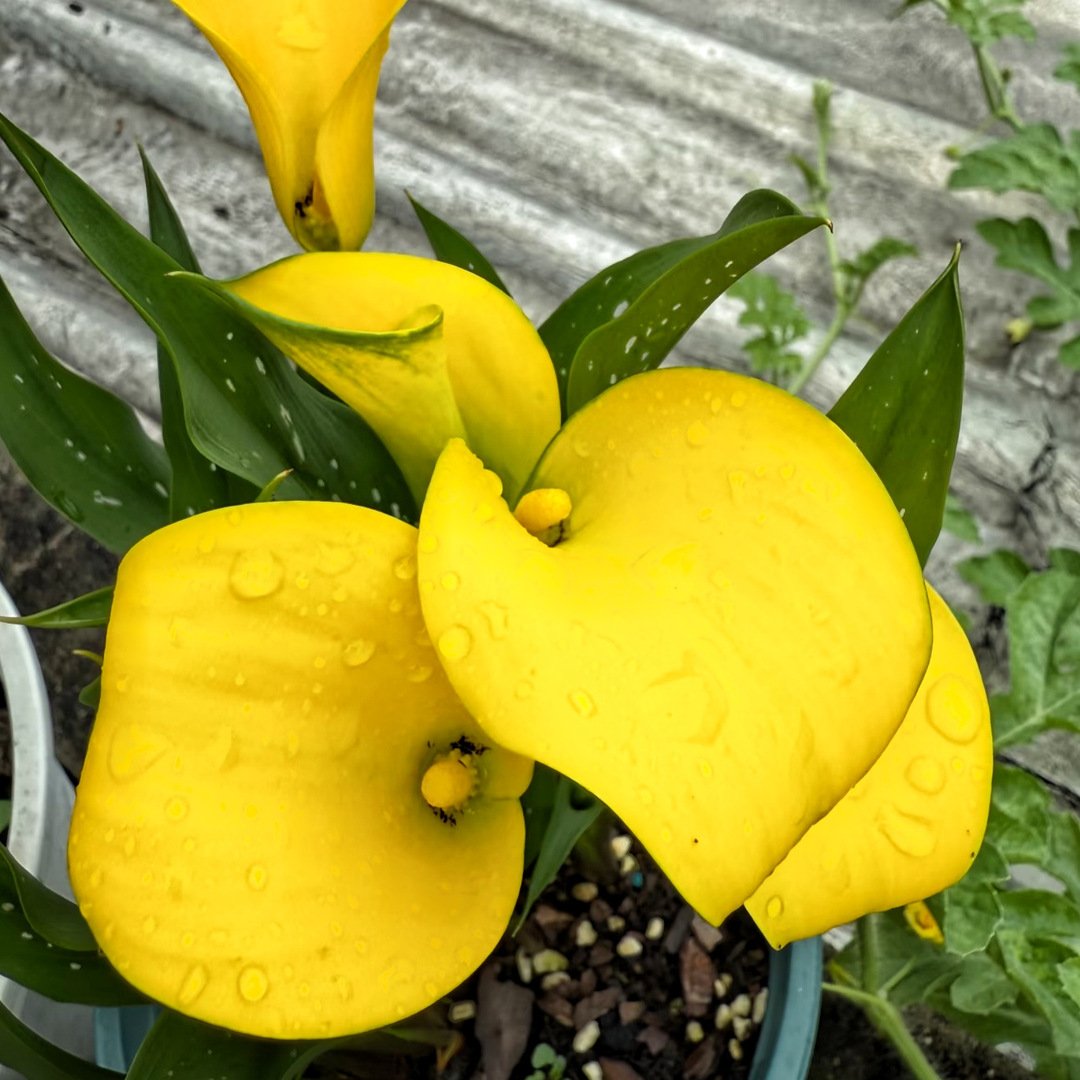
A long, smooth stalk carries one sculptural spathe that wraps into a flared trumpet around a compact central spadix of tiny flowers, giving the plant its unmistakable silhouette. Individual blooms are thick-textured and remarkably durable, opening gradually and holding for many days, while the rhizome continues to send up fresh stalks over a long summer season. Deadhead by cutting the stalk cleanly at its base so no stub is left to rot. Resist the urge to tidy the leaves while they are still green: they are photosynthesising to rebuild the rhizome and directly set the size of next year’s flowering.

4. Dormancy and overwintering the stock

As the foliage yellows and collapses, the plant has finished its cycle and needs a dry rest, so taper off watering and stop all feeding. In well-drained, frost-free gardens the rhizomes can remain in situ under a light dry mulch, but cold or persistently wet winter soil means lifting them once the leaves have fully died down. Allow the lifted pieces to cure out of direct sun for several days, brush away remaining soil and store them in labelled paper bags or dry vermiculite at 10-15°C with good air circulation. Replant the firm pieces the following spring and discard any that have become soft or shrivelled.

5. Vase performance, placement and handling precautions

Harvest when the spathe is just fully open, early in the day, and stand the cut stems in shallow cool water after an angled recut; with regular water changes they outlast most other summer bulbs in a vase. Grow them in drifts through a moist border, as a repeated vertical accent in mixed containers, or in a dedicated cutting row that can be picked hard without spoiling the display. The sap and tissues contain calcium oxalate raphides that irritate skin and are toxic to cats and dogs if eaten, so gloves are advisable when handling and dividing rhizomes, and stored stock should always be kept somewhere pets and children cannot reach.

Additional information
Number of Products10Bulbs, 2Bulbs, 4Bulbs, 6Bulbs, 8Bulbs

Reviews

Customer Reviews

0.00 out of 5
Based on 0 reviews
0
0
0
0
0
There are no reviews yet.
Purchased customers only

Only customers who purchased this product can leave a review. Please log in with the purchase account, or ask a product question below.

Ask a question

Questions & Answers

No questions yet.

Hot Deals

Recently Viewed

Subtitle text example

Title text example

标题后的文本示例