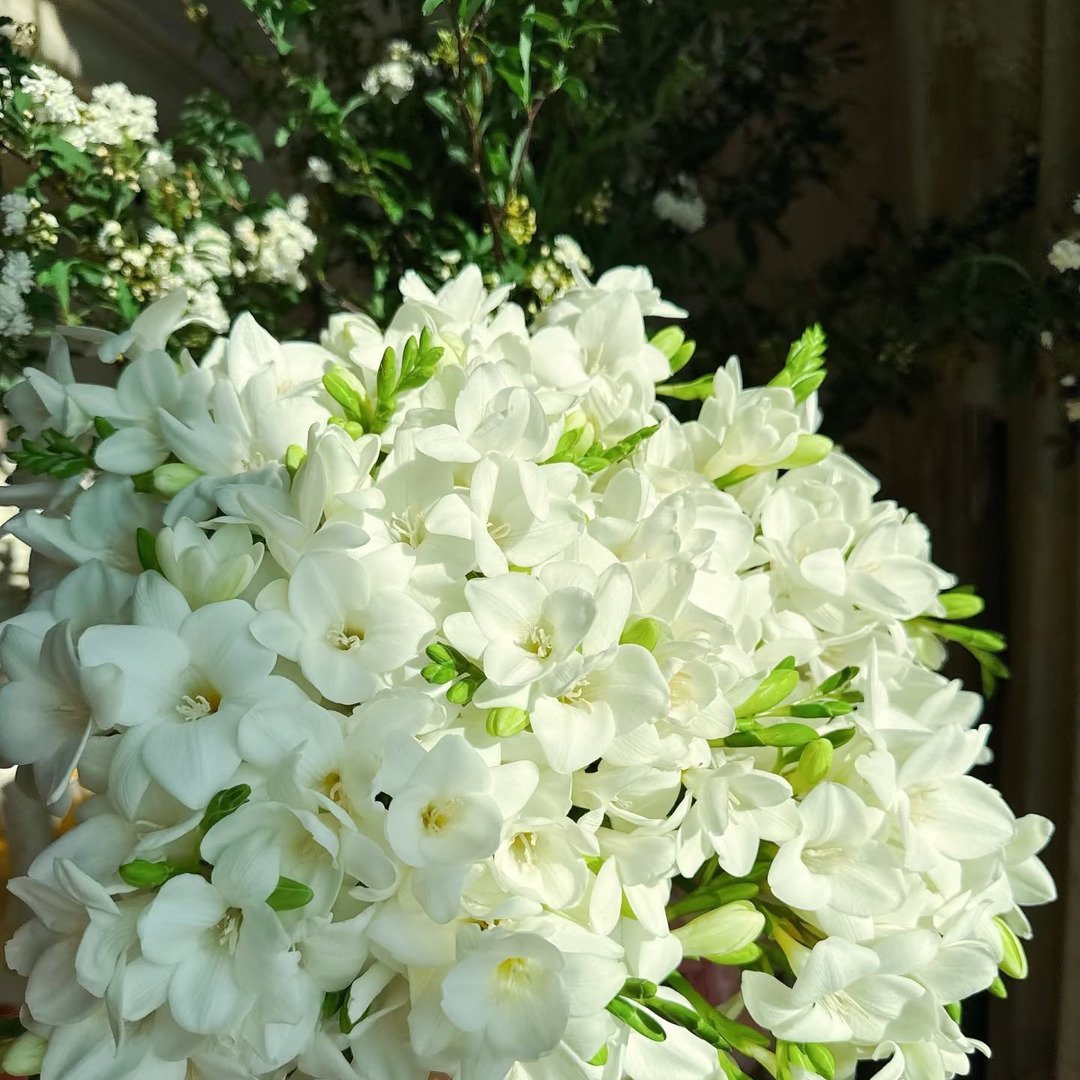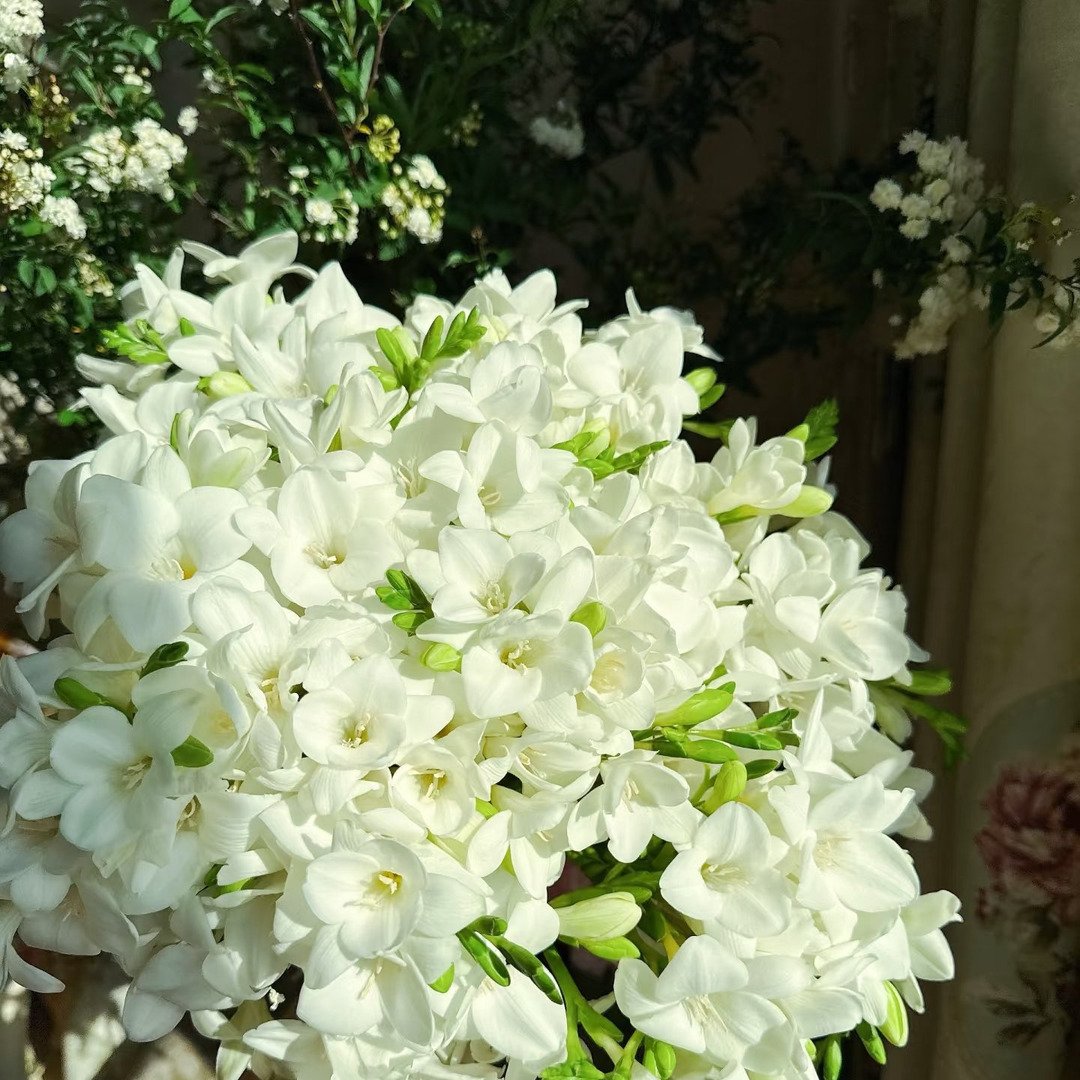

Pure White Single Freesia Corms — Snow-White Trumpet Flowers with a Powerful Sweet Scent, Classic Spring Bulbs for Wedding Bouquets and Pots

Price range: $10.88 through $32.64

If you buy now
Earliest arrival December 10
Latest arrival December 20
Estimated delivery time 12 - 22 days

Fragrant white freesia corms that open gradually up each spike and last well as a cut flower. Remove spent stems but keep every leaf until it yellows, then store the dormant corms dry and cool.

Subscription successful

You’re now subscribed to price tracking for this product. We’ll notify you if the price drops.

Price tracker

Track this item and get notified if the price drops.

Add to price tracker

60-Day Guarantee - Rest Easy, your plant is protected!

Quick, reliable shipping to any location.

Ready to Grow - This is a healthy starter plant, full of life!

Return this item by mail or in store within 90 days for a full refund.

Quality Plants Grown by Experts. Packaged with Care.

Return this item by mail or in store within 90 days for a full refund.

Description

1. What arrives in the parcel

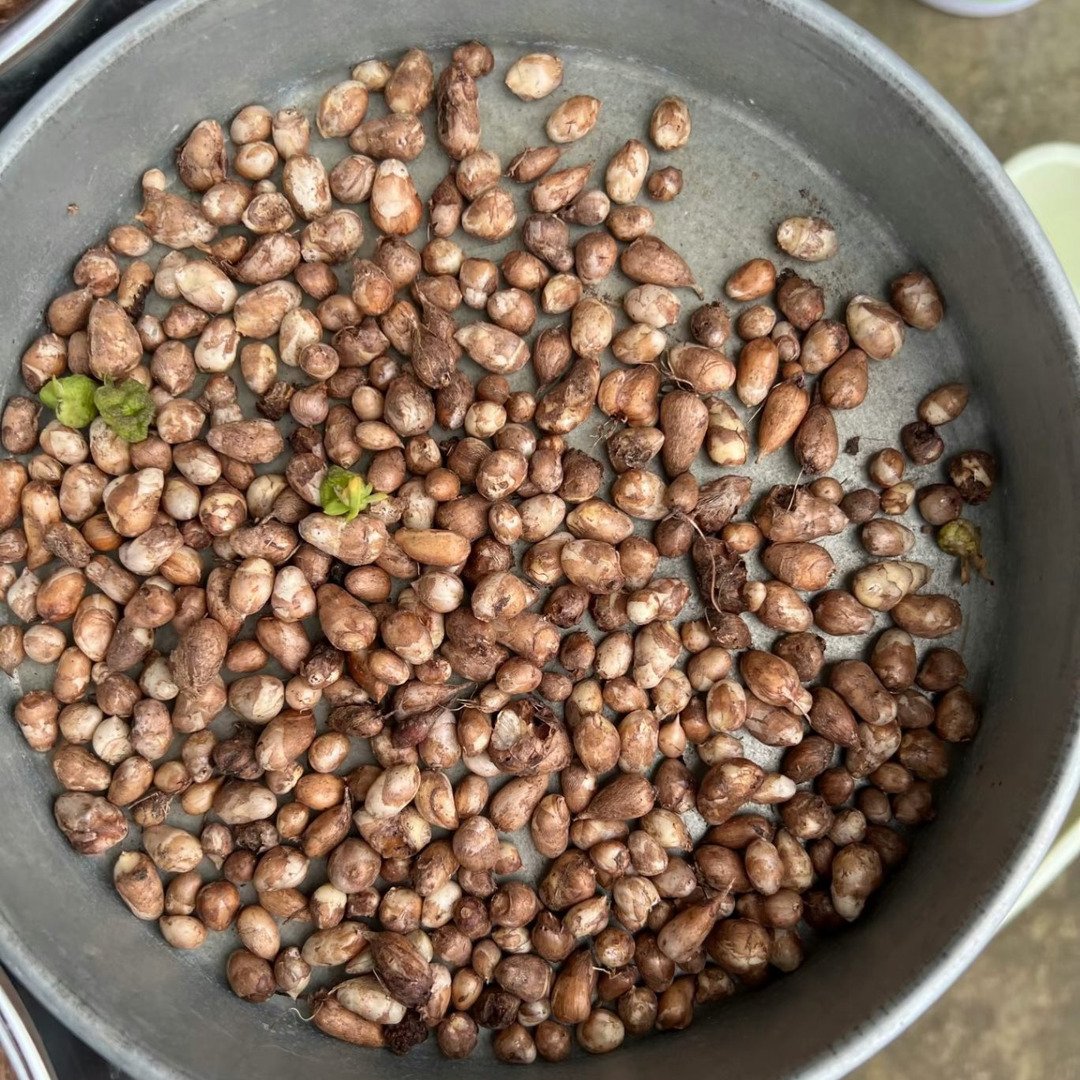
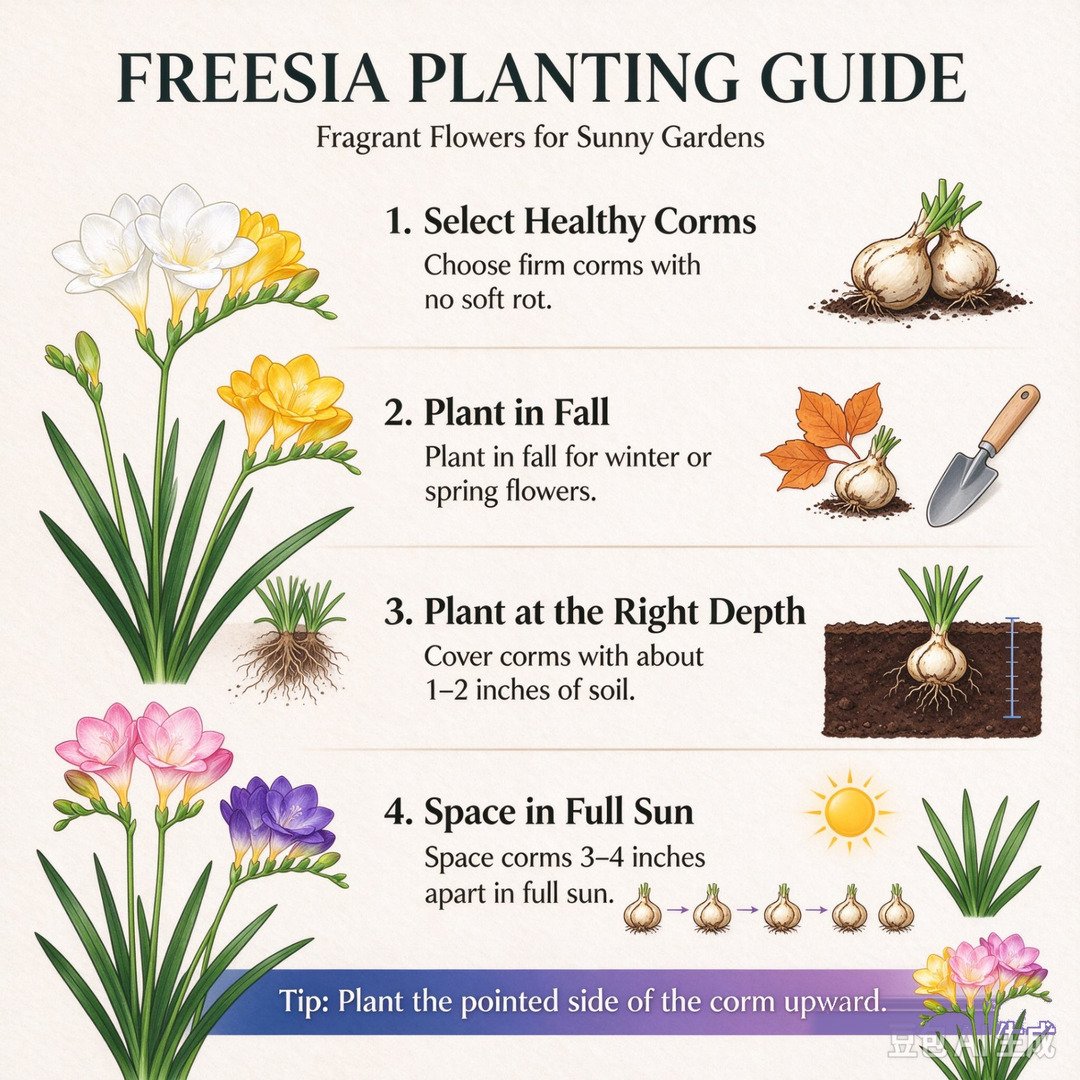
You are buying dormant freesia corms, not seeds and not true bulbs. A corm is a compressed, rounded stem base wrapped in a dry papery tunic, with a small pointed growing tip on top and a flat basal plate underneath where the roots will emerge. Stock travels dry and dormant, so unpack it on arrival, discard the packing and keep it in a paper bag in a cool, airy, shaded place until planting. Do not soak, peel, wash, refrigerate or pot it up in a heated room in advance, and do not leave it in sealed plastic where condensation can build up. Firm, heavy corms with clean dry tissue are sound; anything soft, sour-smelling, mouldy or hollow should be thrown away rather than planted with healthy stock. A few days in paper is harmless, but weeks on a warm shelf will exhaust the stored reserves the plant needs to flower.

2. When and how to plant

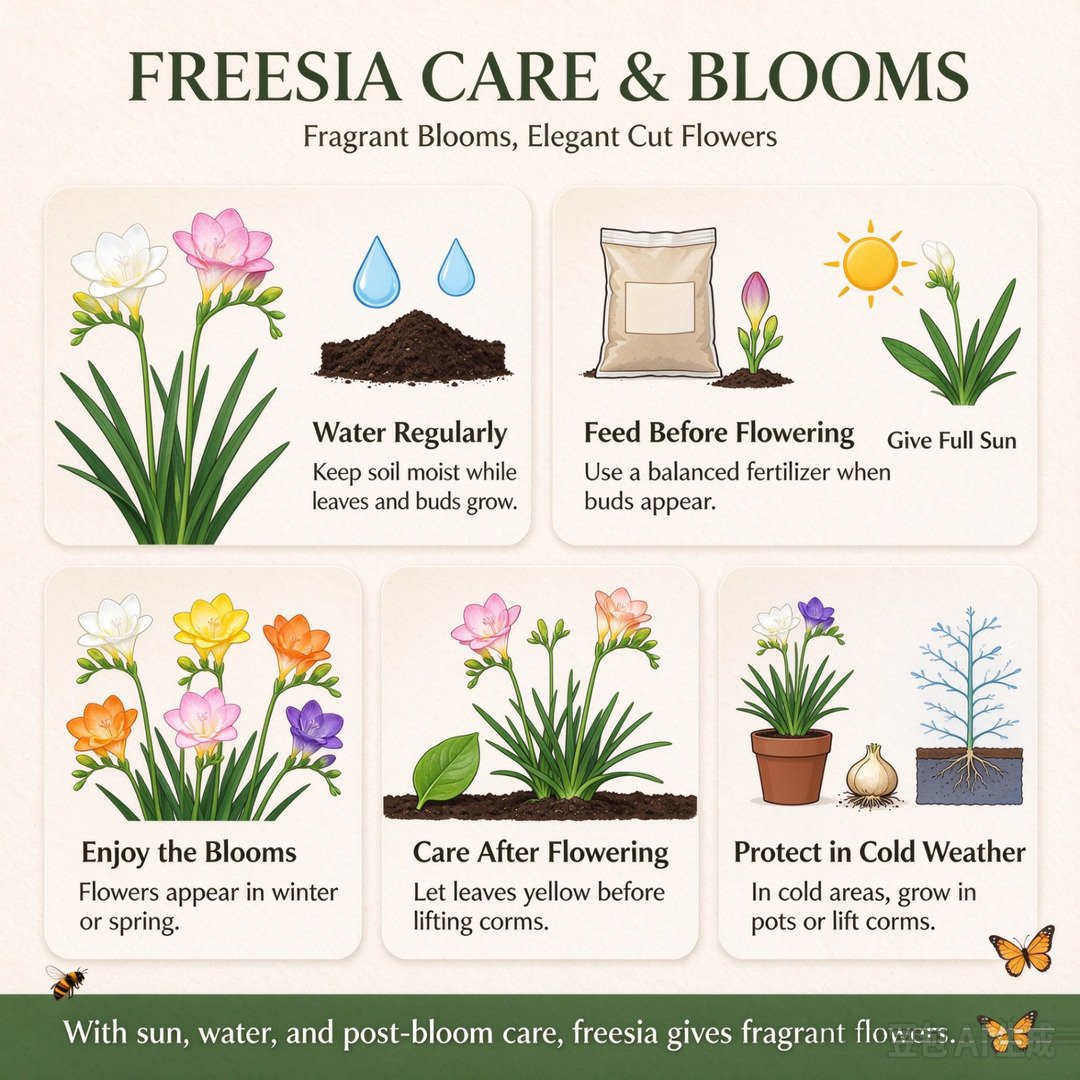
Plant in autumn, roughly six weeks before the first hard frost, or in late winter in mild, frost-free climates. Choose full sun and a loose, sharply drained sandy loam; heavy wet clay, compacted ground and low spots where winter water sits are the most common cause of corm rot. Set each corm with the pointed tip upward under about 2.5-5 cm of soil (roughly twice its own height), spacing them 7-10 cm apart, then water once thoroughly to settle the mix and keep it only lightly moist until shoots appear. Containers need a deep pot with generous drainage holes and a gritty, free-draining compost, never a saucer of standing water. Cool night temperatures around 10-15 C during the first weeks of growth are what trigger flower initiation, so a warm living room in winter usually produces plenty of leaves and no blooms. Once growth is active, water regularly but let the surface dry slightly between waterings, and feed lightly rather than heavily.

3. Pollination and seed pods

Bees and other early-season pollinators work the open flowers on sunny days, and a pollinated bloom will form a small three-lobed seed capsule. For ornamental growing, removing spent flowers before capsules swell is worthwhile: ripening seed draws energy away from the corm at exactly the time it should be storing reserves for next year. Seed-raised plants also vary and take several years to flower, so they are not a practical way to reproduce a named selection; the small offsets that form around the mother corm are the reliable route and keep the plant true to type. If you do want to experiment with seed, sacrifice one late stem only and leave the rest of the planting to build strong corms.

4. After the flowers fade

Cut or snap off each spent flower stem as the last blooms fade, but leave every leaf standing. The narrow foliage keeps photosynthesising for six to eight weeks and rebuilds the corm for next year, so cutting it back early is the quickest way to lose the following season’s display. When the leaves yellow and collapse naturally, stop watering altogether and let the soil dry out. In areas with frost or wet winters, lift the corms, brush off the soil, cure them somewhere warm and airy for a week, then store them dry at roughly 5-9 C until the next planting season; in warm, dry climates they can be left in the ground if irrigation is withheld through summer. Small offset corms form around the mother corm and can be separated while dormant, though they need one or two more seasons to reach flowering size. Rotate planting ground every few years and discard any corm showing basal rot, since fusarium wilt persists in old soil. Dormant corms need no water and no fertiliser at all.

5. Handling and safety

Wear gloves if you have sensitive skin: the dry tunics and sap can cause mild irritation when handling large numbers of corms. These are ornamental corms supplied for planting only and are not food; they are not saffron crocus and must never be used as a culinary substitute. Keep loose corms, lifted offsets and discarded foliage out of reach of children, dogs and cats, since swallowing any part can cause stomach upset. Do not plant where pets habitually dig, as a shallow corm is easily exposed and chewed. If a pet does eat a piece, remove the material, rinse the mouth with water and contact a veterinarian for advice rather than waiting for symptoms.

Additional information
Number of Products10Bulbs, 15Bulbs, 3Bulbs, 5Bulbs, 8Bulbs

Reviews

Customer Reviews

0.00 out of 5
Based on 0 reviews
0
0
0
0
0
There are no reviews yet.
Purchased customers only

Only customers who purchased this product can leave a review. Please log in with the purchase account, or ask a product question below.

Ask a question

Questions & Answers

No questions yet.

Hot Deals

Recently Viewed

Subtitle text example

Title text example

标题后的文本示例