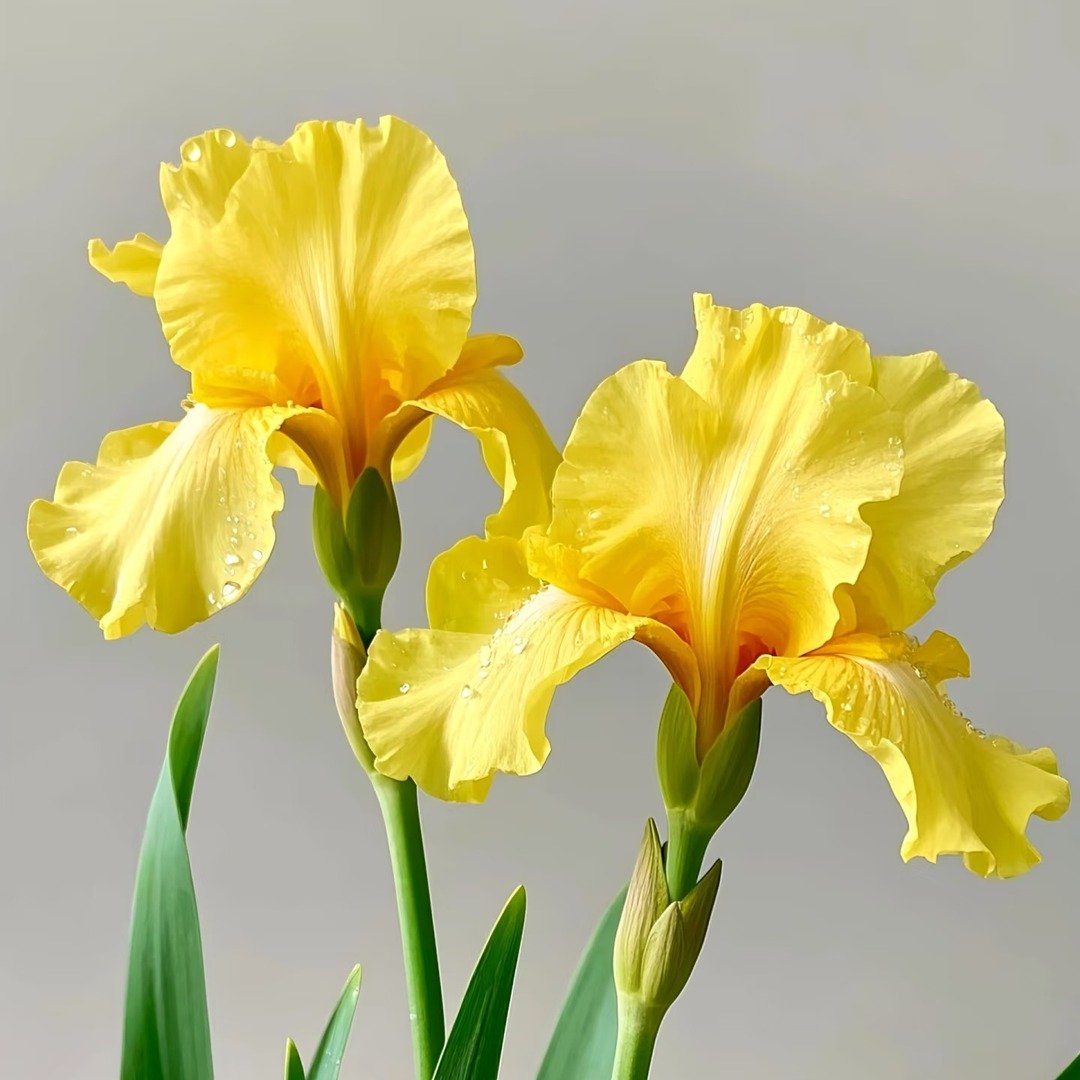
Golden Yellow Bearded Iris Rhizomes — Sun-Loving Hardy Perennial, Drought-Tolerant Clumps for Gravel Beds and Dry Banks

Price range: $12.88 through $27.05

If you buy now
Earliest arrival December 10
Latest arrival December 20
Estimated delivery time 12 - 22 days

Drought-tolerant bearded iris rhizomes for sunny, sharply drained beds. Needs a real winter chill to set buds, so grow outdoors in the ground; plant shallow in late summer and keep winter wet away from the crowns.

Subscription successful

You’re now subscribed to price tracking for this product. We’ll notify you if the price drops.

Price tracker

Track this item and get notified if the price drops.

Add to price tracker

60-Day Guarantee - Rest Easy, your plant is protected!

Quick, reliable shipping to any location.

Ready to Grow - This is a healthy starter plant, full of life!

Return this item by mail or in store within 90 days for a full refund.

Quality Plants Grown by Experts. Packaged with Care.

Return this item by mail or in store within 90 days for a full refund.

Description

1. What arrives in the parcel

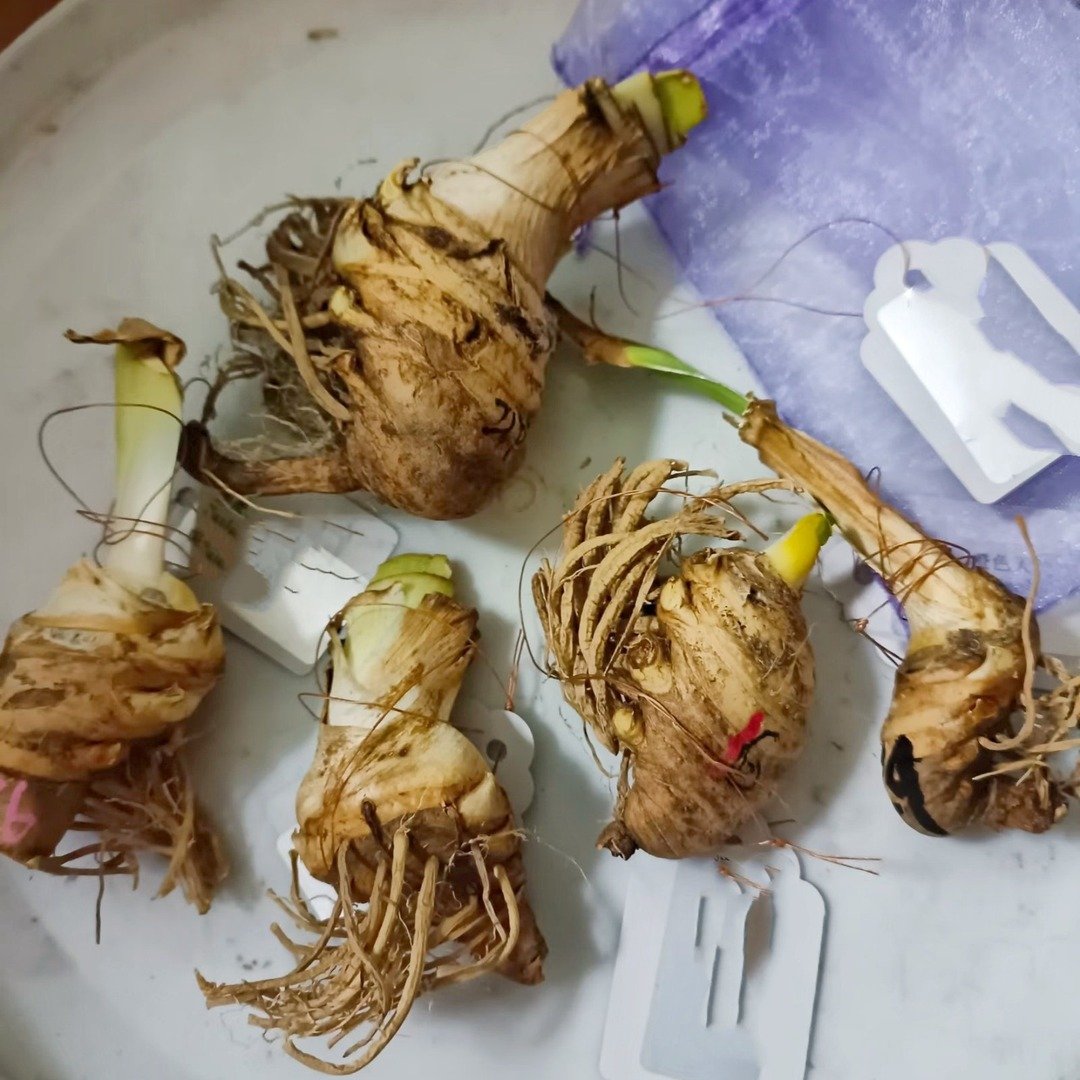
You are buying dormant bearded iris rhizomes, not true bulbs. Each piece is a thick, fleshy horizontal stem with a fan of shortened leaves at one end and a cluster of wiry roots along its underside. It travels dry and bare-rooted, which is its normal resting state, so do not soak, peel, pot up indoors or chill it before planting. Unpack on arrival, discard the packing material and keep the rhizomes in a paper bag somewhere cool, airy and shaded for the few days before planting. A sound rhizome is firm and heavy with a clean, dry surface; anything soft, sour-smelling or oozing should be thrown away rather than set beside healthy stock.

2. Planting depth, soil and timing

Plant in late summer to early autumn, roughly six to eight weeks after flowering ends, so roots establish before winter; early spring is the second-best window. Choose the sunniest, most free-draining spot you have – at least six hours of direct sun and soil that never holds standing water. This is the one planting rule that matters most: bury only the roots, leaving the top of the rhizome half exposed at the soil surface so the sun can bake it. Deep planting or a thick wet mulch over the crown is the usual cause of bacterial soft rot. Set pieces 30-45 cm apart with the leaf fan upright, water once to settle the soil, then withhold water unless the season is exceptionally dry. A little coarse grit worked into heavy clay is more useful than fertiliser; avoid high-nitrogen feed, which produces lush leaves and rotten crowns.

3. Winter chill and flower initiation

Flower buds for the following year are formed in response to a genuine cold period, so winter is not something this plant merely tolerates – it needs it. In frost-free or consistently warm climates the rhizome often produces handsome fans and no spikes at all, and keeping it in a heated room over winter has the same effect. For that reason it belongs outdoors in the ground, not in a year-round heated conservatory. Gardeners in mild regions should choose an open, exposed bed that gets as much winter chill as available and avoid heavy winter irrigation. If a newly planted piece makes leaves but no flowers in its first spring, that is normal establishment, not a failure of the stock; the second season is the one that counts.

4. After flowering, dormancy and division

When the last bloom on a stem collapses, cut that flower stalk off at its base but leave every sword-shaped leaf untouched. The foliage keeps working for two months or more, and the energy it stores decides next year’s flower count – tying or trimming the fans green is the fastest way to lose a planting. Let the leaves yellow naturally after frost, then clear away the dead tops. Through winter the rhizome is fully dormant and needs no water at all. After three or four years the centre of a clump turns woody, flowering thins out and the fans crowd outward: lift the whole clump in late summer, cut it into sections that each carry one healthy fan and a good set of roots, let the cut faces dry for a day, and replant only the firm outer pieces. Discard the old woody centre and any section with bore holes or soft tissue.

5. Hardiness, winter care and site selection

These are hardy deciduous perennials for temperate gardens (roughly USDA zones 4 to 9) and need the cycle of cold winters and warm, dry summers to flower reliably. In the coldest areas, autumn-planted pieces can be lifted by repeated freeze-thaw, so a very light covering of pine needles or straw after the ground has frozen helps hold them in place – pull it back early in spring so the crowns are exposed to sun again. In warm, humid regions, prioritise an open, breezy site and raised or sharply drained soil over extra watering. Choose a position you can leave undisturbed for several years; the planting improves with time and dislikes being moved annually.

Additional information
Number of Products10Bulbs, 15Bulbs, 4Bulbs, 6Bulbs, 8Bulbs

Reviews

Customer Reviews

0.00 out of 5
Based on 0 reviews
0
0
0
0
0
There are no reviews yet.
Purchased customers only

Only customers who purchased this product can leave a review. Please log in with the purchase account, or ask a product question below.

Ask a question

Questions & Answers

No questions yet.

Hot Deals

Recently Viewed

Subtitle text example

Title text example

标题后的文本示例